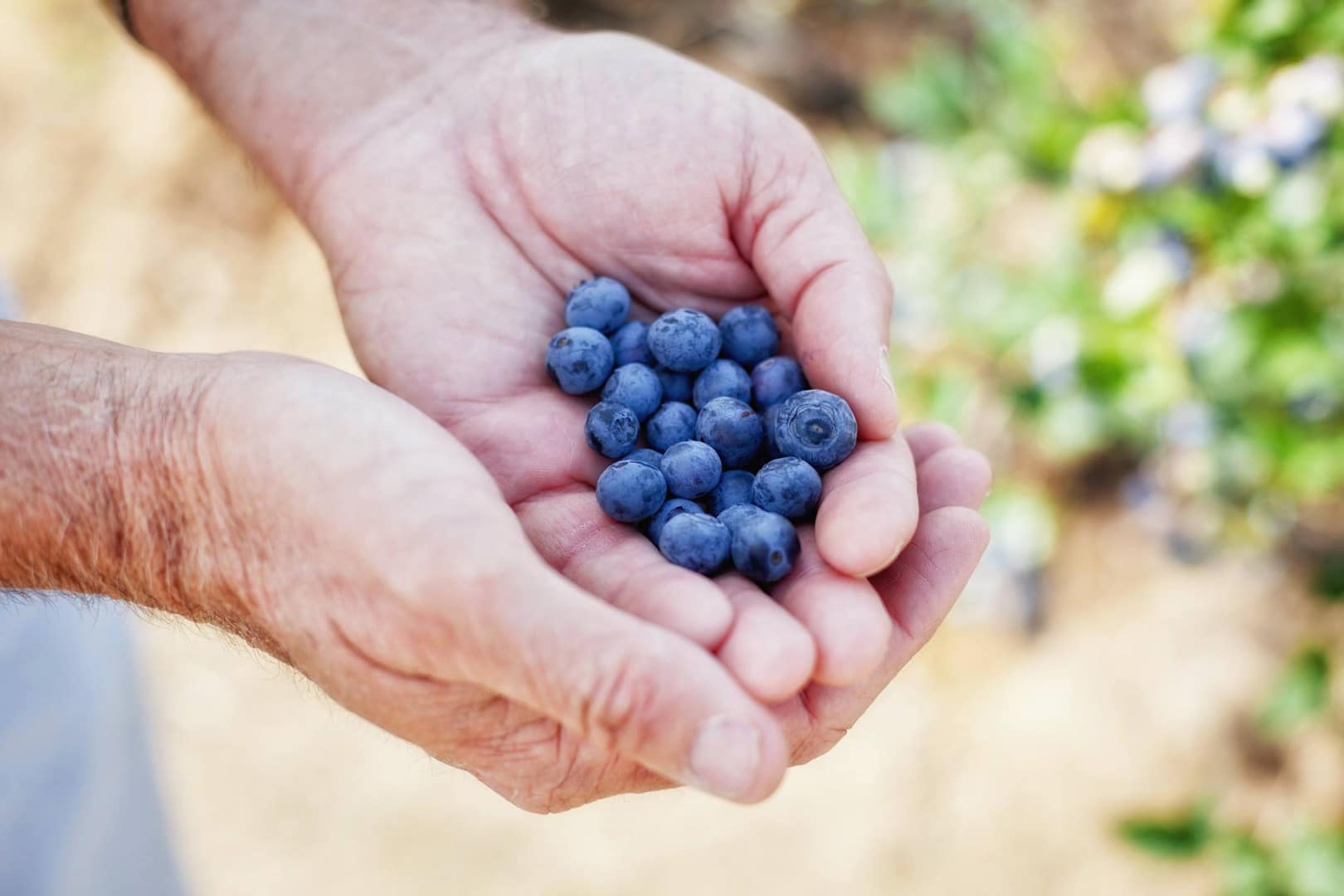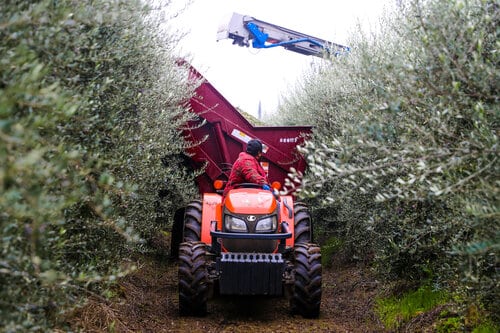
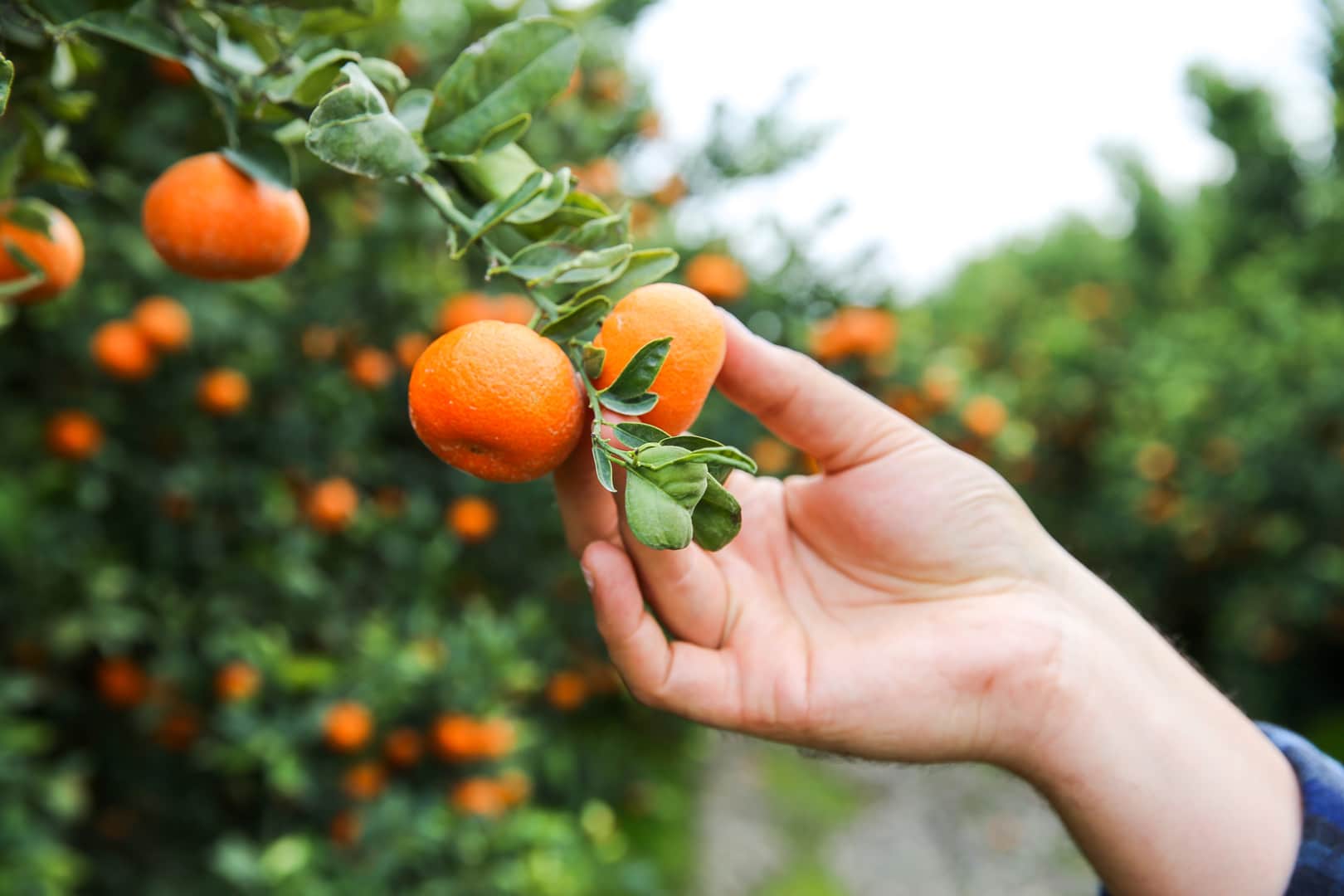
Farming is tough and requires ingenuity, innovation, and dedication. For the folks at Fruit World, being able to sell their “ugly” fruit to customers through Imperfect means they can use their creativity to work with nature instead of imposing market norms on their crops.
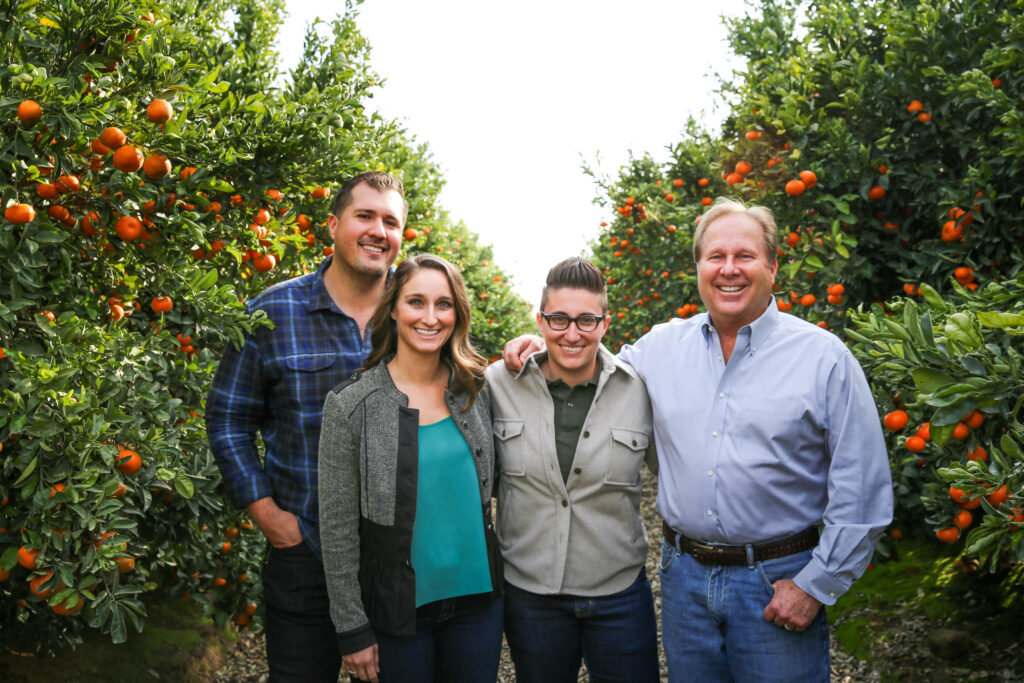
The Kaprielian family has been farming for generations in Reedley, California. Bianca Kaprielian and her sister Angelica grew up playing among the fruit trees while their father and grandparents took care of the farm. And as they grew up they helped tend to the groves alongside them.
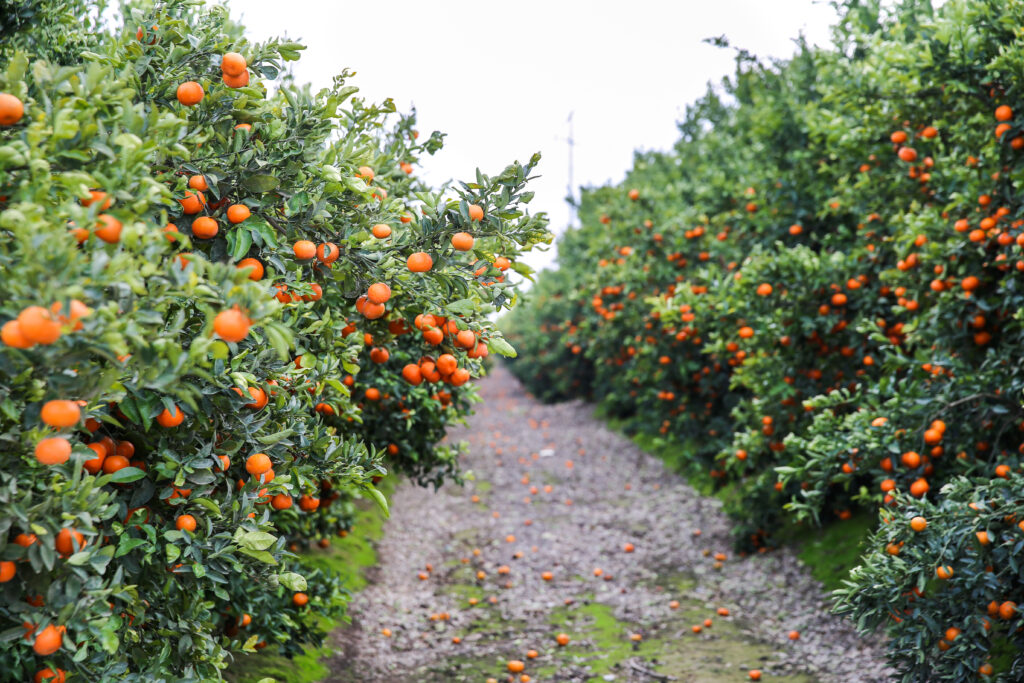
Though their father loved running the farm, he wouldn’t wish such an emotionally and physically exhausting line of work for his daughters. But watching his care and devotion over the years must have had some impact on them. Although Bianca temporarily took her dad’s advice and became a documentary filmmaker, her roots in Reedley eventually drew her back to help her family on the family farm.
But just as her father promised, the work would be both rewarding and far from easy. As Bianca’s business partner CJ put it, “farming is a particularly thorny science and engineering problem. There are so many variables to try to understand and control. But unlike other sciences, you only get one chance each year to get it right.”
This is especially true as unpredictable weather caused by climate change becomes more common. Bianca and CJ have learned that timing is everything. Unexpectedly heavy rainfall during the picking season can set them back weeks as they have to wait for the fruit to dry before picking. Citrus rinds absorb water like a sponge, so if they pick too early, the wet fruit will become moldy or fall apart during transit. But if they pick it too late, the fruit will rot on the tree. “All farmers want and need water to grow fruit. “We’ll take the rain, but we really want the snowpack,” Angelica said, pointing to the Sierra Nevada mountains in the distance.
And temperatures matter as much as rainfall. If it gets too cold, frost will make their harvest potentially unsellable. But if the nights don’t get cold enough while their mandarins are ripening, the outside of the fruit will stay green instead of growing into the beautiful orange color that stores want. Bianca recalls one childhood Christmas in particular when their dad stayed up for 72 hours straight trying to keep their fruit from freezing on the trees. “He ended up setting up huge fans around the trees to create a blanket of moving air just to keep the fruit from freezing.”
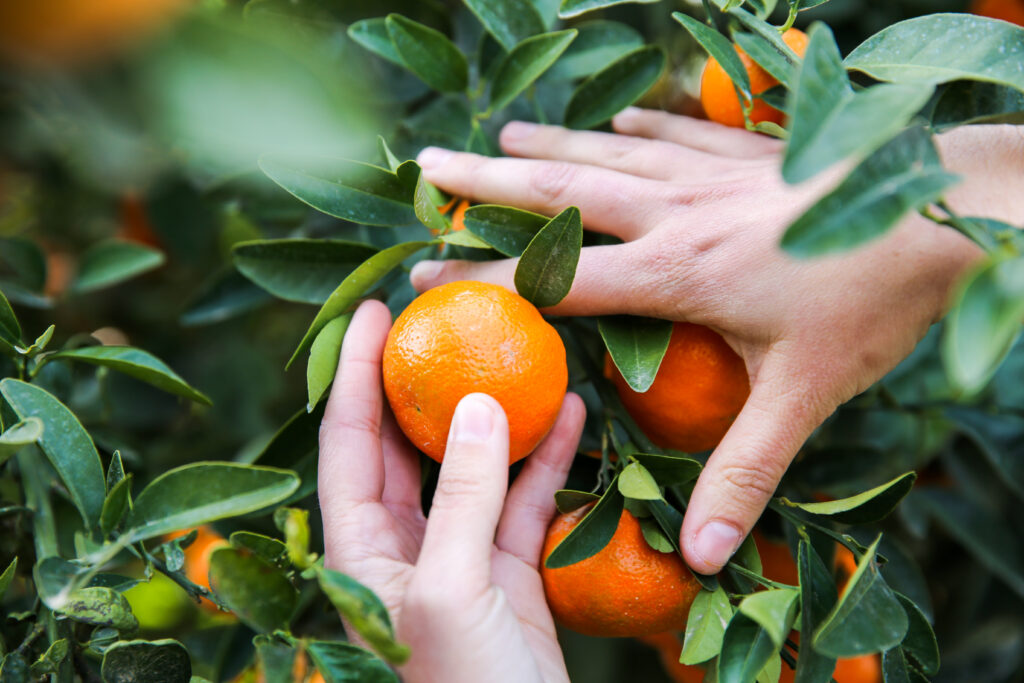
If the Kaprielians can successfully get their fruit off the trees, they next face a fickle marketplace. Even though Bianca and CJ know from experience that the ugliest fruit is often the sweetest and most delicious, grocery store buyers only want mandarins that fit strict beauty standards: uniform orange color, medium size, and none of the harmless scarring caused by hail or tree branches rubbing against the fruit.
CJ learned the difficulties of selling produce growing up on a stone fruit farm in the 80s and 90s. His family wanted to focus on growing great-tasting peaches but struggled to compete with growers who bred solely for high yield and the uniformly red color that grocery buyers demanded. The struggles and disappointment their family faced ultimately made CJ’s dad get out of the business and, similar to Bianca’s father, advised his son to do the same.
Is the citrus market a little more forgiving? CJ and Bianca explained that in any given year, anywhere from 5-20% of their crop (which means hundreds and hundreds of pounds of fruit) is perfectly good but unmarketable to stores because of how it looks. To reduce waste, any fruit deemed “too ugly” gets sorted out in the packing shed and sent to animal feed or a juicer. This is often referred to as “a lesser outcome” for farmers because the fruit isn’t enjoyed in its full state and the farmer doesn’t get income from selling it. Bianca emphasized that they actually lose money on it. “When we have to sell to a juicer, we don’t cover the cost of the box that the fruit is shipped in, much less the labor that we needed to pick it,” said CJ.
Bianca explained that selling “ugly” and off-sized produce to Imperfect is a great partnership because they can adapt to the needs of the trees instead of imposing the needs of the market on them. Instead of rigid demands that create waste, they can work with nature and create a more flexible and sustainable relationship for all. Since 2017, Bianca and CJ have carried on their family legacies of sustainable farming practices and responsible land stewardship. They’ve had enough stability to expand to growing organic grapes, apricots, pomegranates, and persimmons in addition to citrus.
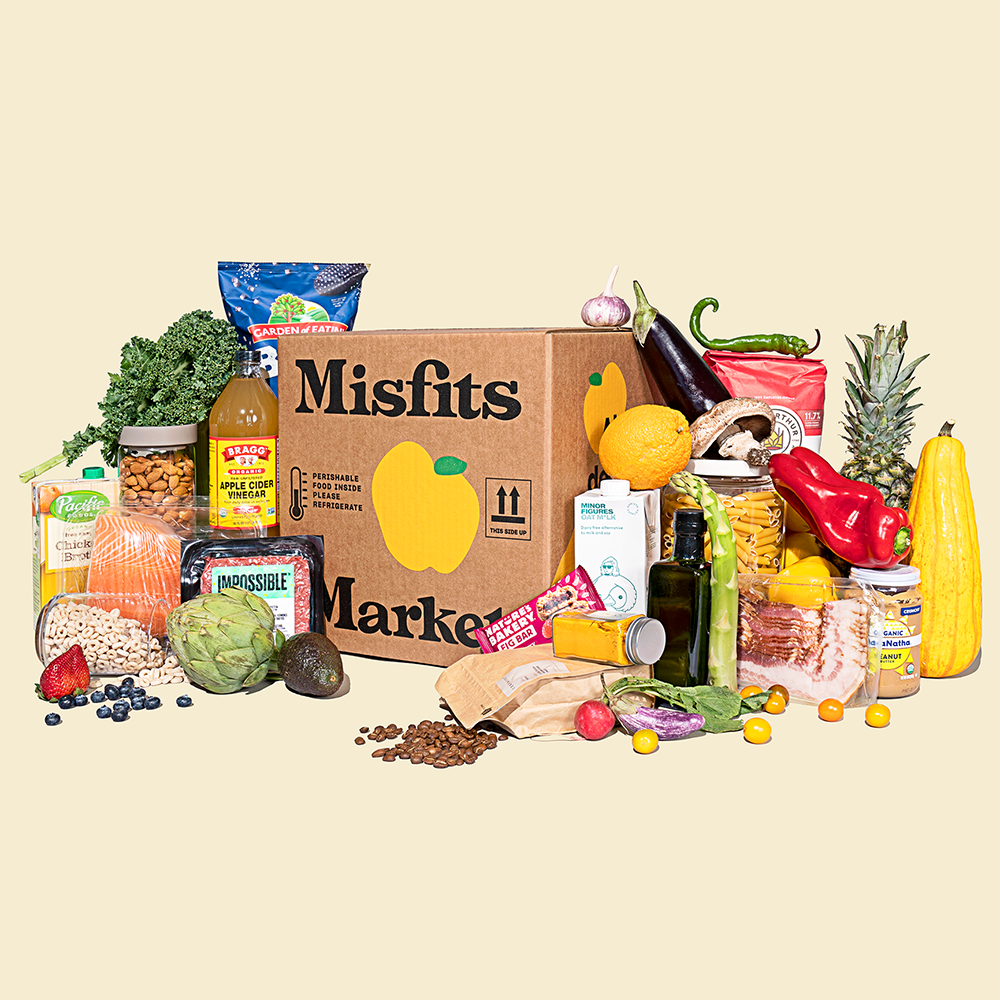
Like the folks at Fruit World, we can all do our part to build a less wasteful world. Be sure to fill up your box with the sweet citrus from Fruit World next time you’re shopping with Imperfect.