You can’t take care of the environment if you can’t take care of the people doing the work.”
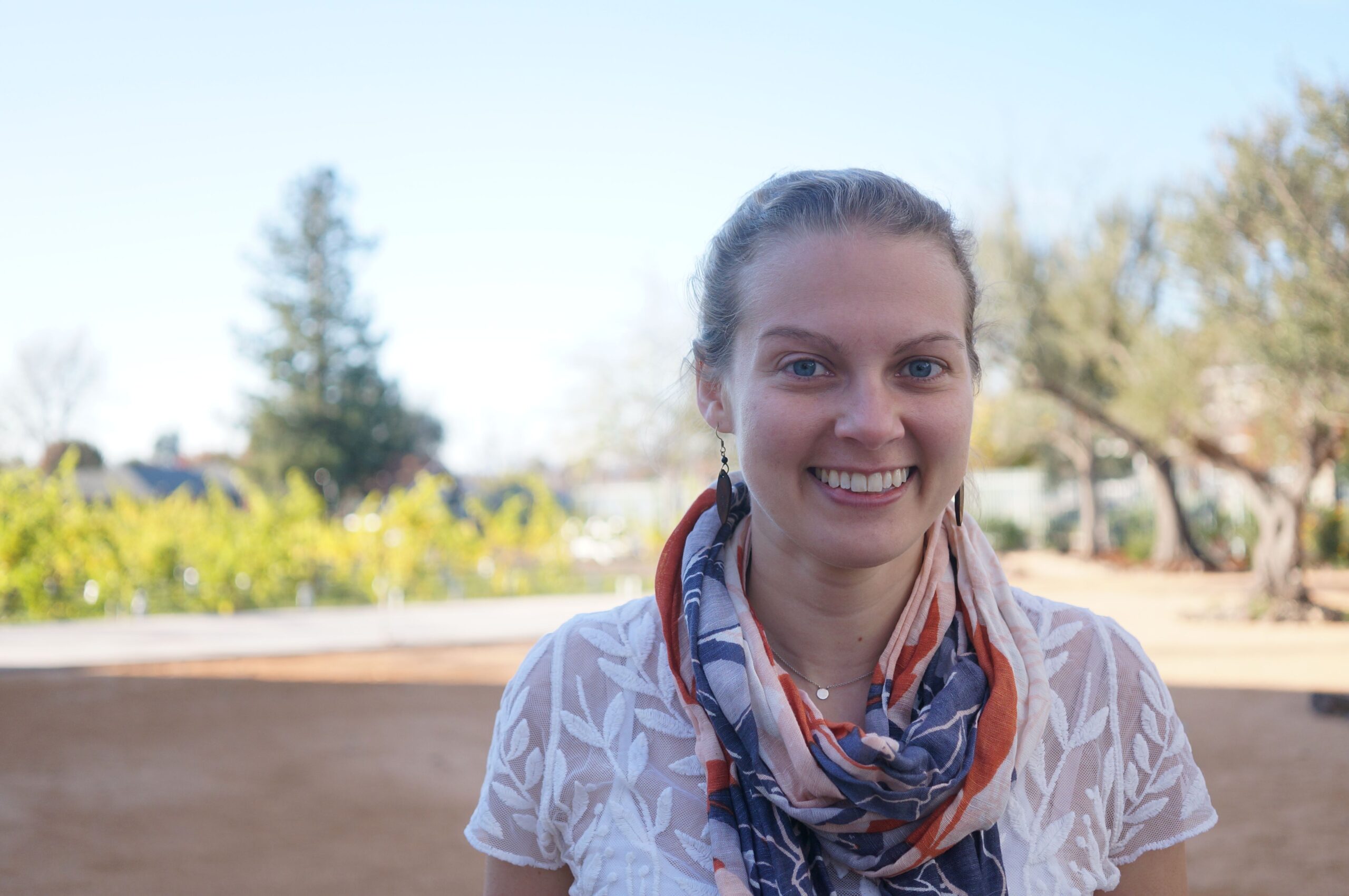
Noelle fogg elibol
Everyone knows that farming is hard work, but a lot of us still fantasize about quitting our 9-5 and starting a small farm somewhere. So how hard is it to start farming, really?
According to the USDA, only 1 out of 2 small farms survive beyond their first five years, and out of those, only 1 out of 4 survive after 15 years. Why is it so hard to make a living by growing food?
To separate farming fact from fiction, we sat down with Noelle Fogg Elibol of Kitchen Table Advisors, a nonprofit dedicated to making agriculture a more viable business model for small farmers. In this fascinating conversation she share lessons about the economics of farming and how we can to make farming a sustainable way of life for generations to come.





Episode Show Notes:
- Learn more about Kitchen Table Advisors and check out their Instagram to stay up to date on their work.
- The USDA defines a small farm as any farm with gross income under $250,000 per year.
- It’s important to note that according to the USDA, “while most U.S. farms are small – 91 percent according to the Census of Agriculture – large farms ($250,000 and above) account for 85 percent of the market value of agricultural production.
- Noelle is proud to have worked with Javier Zamora of JSM Organics
- If you want to get in the weeds of agriculture, there’s no better place than the most recent US agriculture census, conducted in 2017.
- The Heal Food Alliance does important work to build a food system that is healthy, accessible, and affordable for everyone.
- Noelle recommended reading “The Omnivore’s Dilemma” by Michael Pollan, “Eating Animals” by Jonathan Safran Foer, and “The Fate of Food” by Amanda Little to better understand our food system.
- Noelle also recommended watching the documentary Food Inc.
If you enjoyed this episode and want to learn more about the economics of farming in America, be sure to check out our interviews with Yemi Amu and Amber Tamm.